Infections
Pneumonia / Respiratory Infections
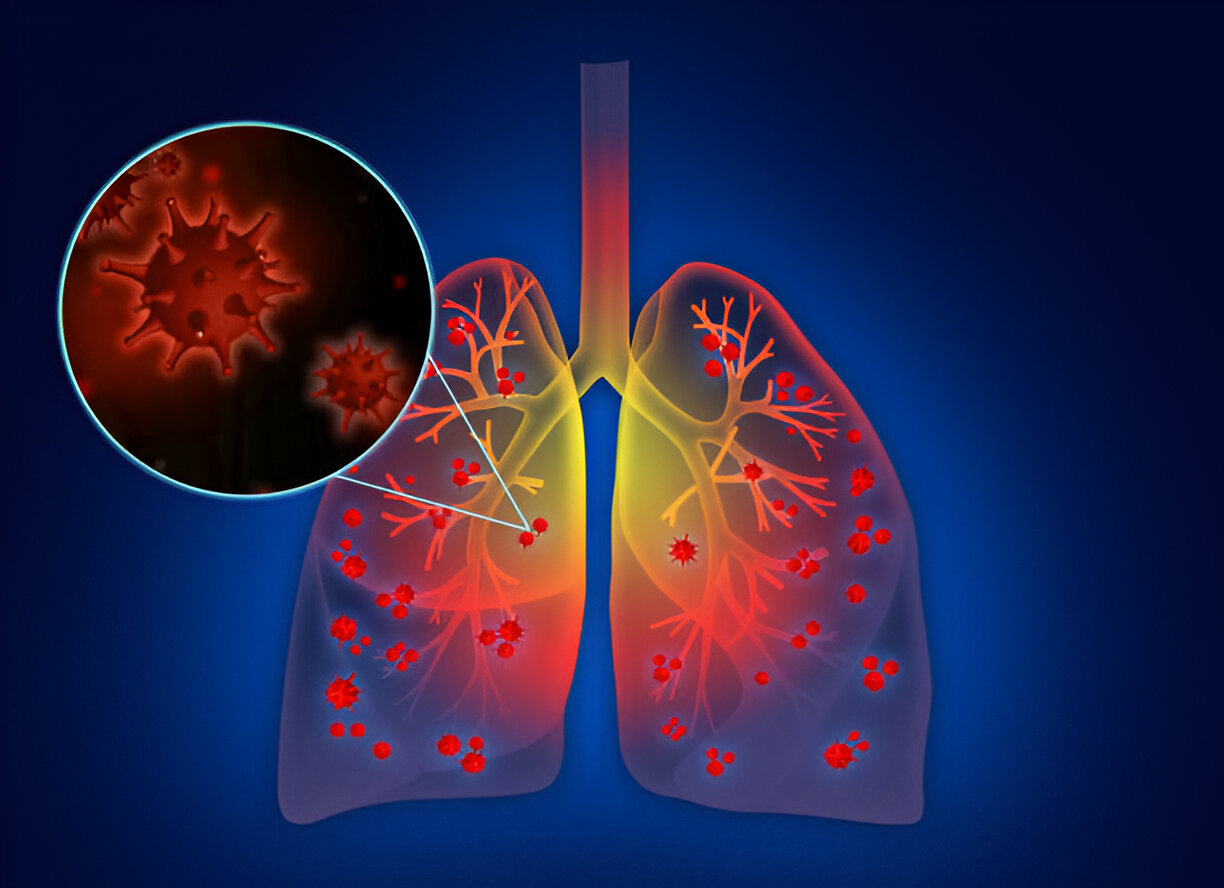
Pneumonia is an infection that inflames the air sacs in one or both lungs, which may fill with fluid or pus. It can range from mild — managed at home — to serious, requiring hospital care. Early, accurate diagnosis leads to faster recovery and fewer complications.
Symptoms to Watch
- Cough that produces yellow, green, or blood-tinged phlegm
- Fever, chills, and sweating
- Shortness of breath, even while resting
- Sharp chest pain that worsens when breathing deeply or coughing
- Rapid heartbeat
- Fatigue, loss of appetite, and feeling very unwell
- Confusion — particularly in older adults or those with other illnesses
How We Diagnose
- 1Chest X-ray to confirm infection and assess how much of the lung is involved
- 2Blood tests to identify the organism and measure the severity of infection
- 3Sputum culture to guide the choice of antibiotic or antiviral treatment
- 4Pulse oximetry or blood gas analysis if oxygen levels appear low
- 5CT scan if X-ray findings are unclear or complications are suspected
Your Treatment Plan
- Antibiotic, antiviral, or antifungal therapy matched precisely to the causative organism
- Supportive care including rest, adequate hydration, and fever management
- Supplemental oxygen if your oxygen levels drop below a safe threshold
- Hospital admission for severe cases or patients with high-risk health conditions
- Vaccination advice to prevent future episodes — pneumococcal and annual flu vaccines
When to See a Doctor
See a doctor urgently if you have a high fever, rapid breathing, or difficulty breathing — do not wait to see if it resolves on its own.